
Greenhouse Farming in Pakistan: Technology, Management, and Market Trends
Greenhouse farming is transforming Pakistan’s agriculture, enabling year-round production of high-value crops despite water scarcity, extreme weather, and limited arable land. Commercial greenhouses are leading the charge, with operations like Muhammadi Farms in Delalpur, Chakwal, setting standards for quality with their premium colored capsicum. In this blog, we’ll explore the technologies, management practices, and market trends shaping greenhouse farming in Pakistan, highlighting real-world examples. Whether you’re a farmer, investor, or enthusiast, this guide dives into Pakistan’s greenhouse revolution.
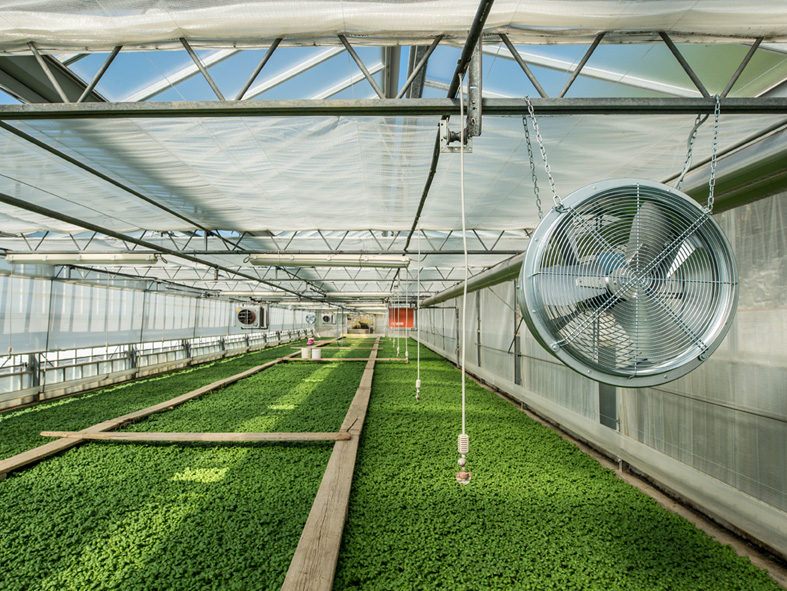
The Rise of Commercial Greenhouse Farming in Pakistan
Agriculture powers over 40% of Pakistan’s economy, but challenges like climate variability and soil degradation threaten traditional methods. Commercial greenhouses offer a solution, producing crops like tomatoes, bell peppers, and flowers for domestic and export markets. Supported by initiatives like the China-Pakistan Economic Corridor (CPEC) and growing demand for off-season produce, operations in Punjab, Sindh, and beyond are booming. Farms like Muhammadi Farms are proof of what’s possible with innovation and focus.
Greenhouse Technology in Pakistan: Tools for Success
Pakistan’s commercial greenhouses blend cost-effective local designs with advanced systems to maximize efficiency.
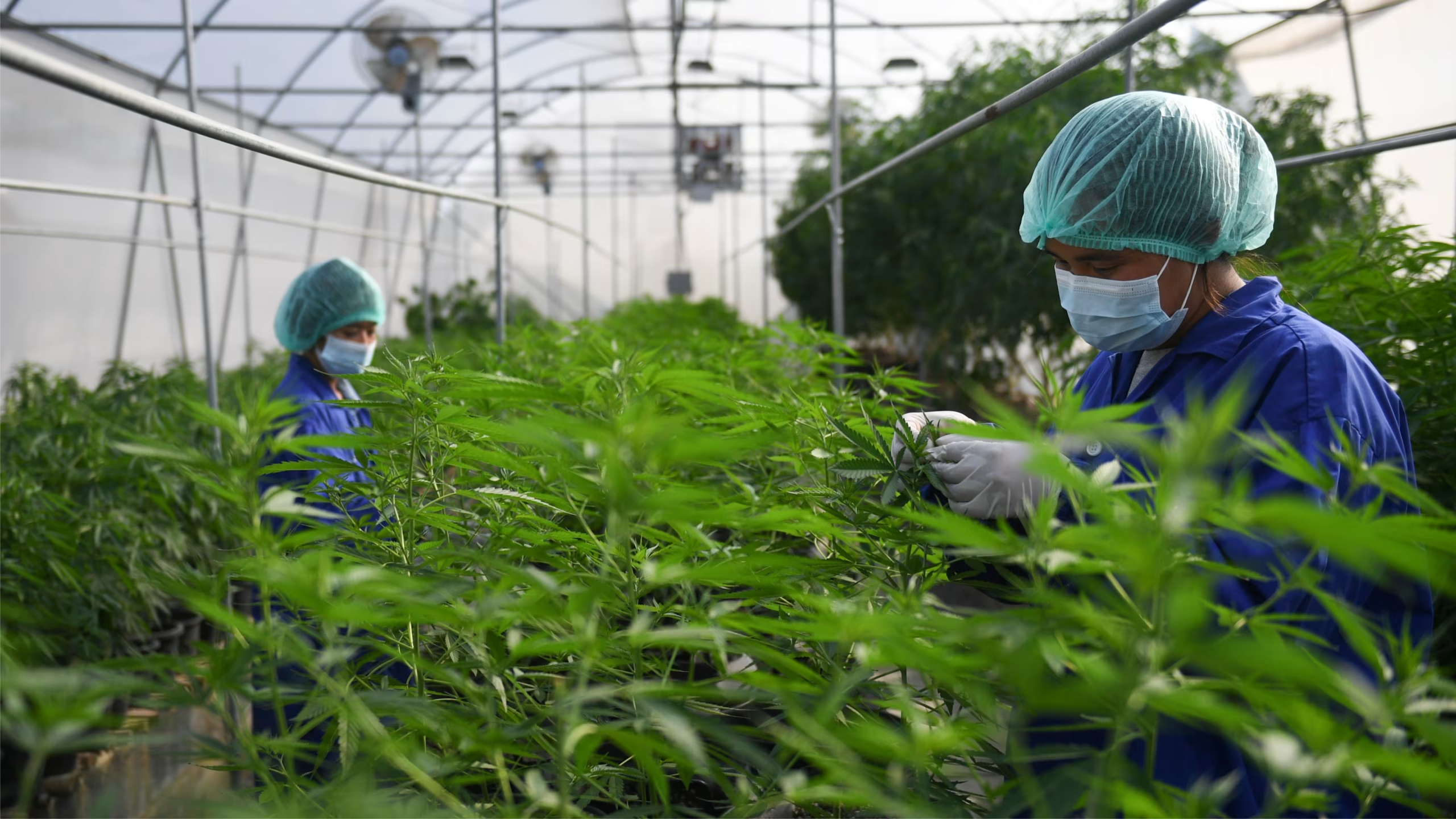
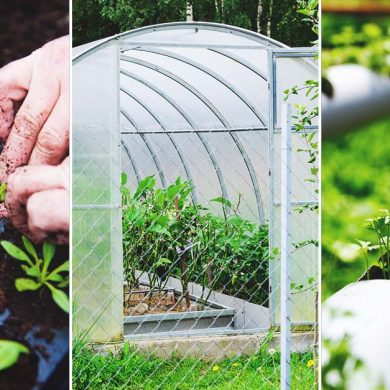
Low-Cost Polyhouses
Example: Al-Noor Agro Farms in Okara, Punjab
- Uses bamboo frames and polyethylene sheets for tomatoes.
- Cost: PKR 600-800 per square meter.
- Yield: 20-25 tons/ha, twice that of open fields.
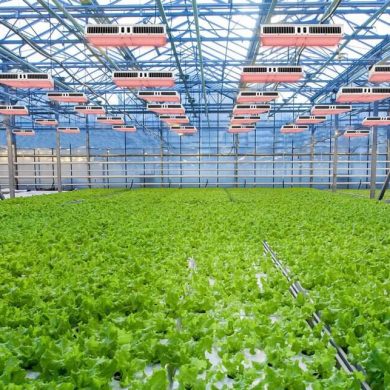
Hi-Tech Greenhouses
Example: Muhammadi Farms in Delalpur, Chakwal
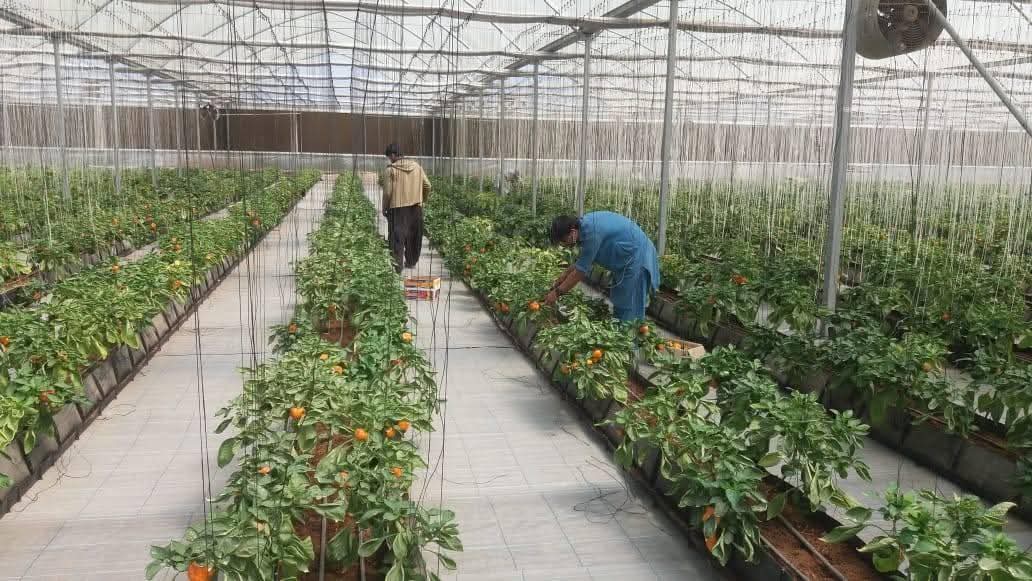
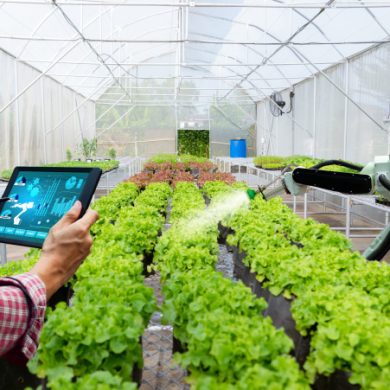
- Grows top-quality colored capsicum (red, yellow, orange) using automated drip irrigation and climate control.
- Investment: ~PKR 2,000-2,500 per square meter.
- Renowned for vibrant, uniform capsicum fetching PKR 700-800 per kg in Lahore, Islamabad and karachi.
Irrigation Systems
Example: Sindh Horticulture Project in Hyderabad
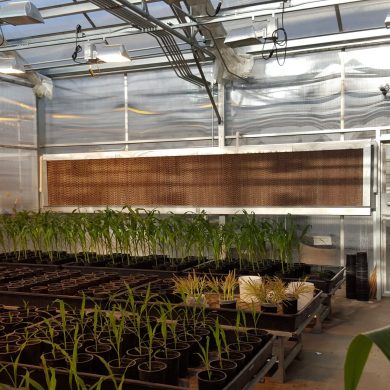
- Deploys drip irrigation and foggers for melons, saving 50-60% water in arid zones.
Renewable Energy
Example: Balochistan Agri-Tech Initiative in Quetta
- Powers rose greenhouses with solar panels, cutting energy costs by 25%.
Management Practices in Commercial Greenhouses
Smart management drives profitability. Here’s how Pakistan’s top greenhouses, including Muhammadi Farms, operate.
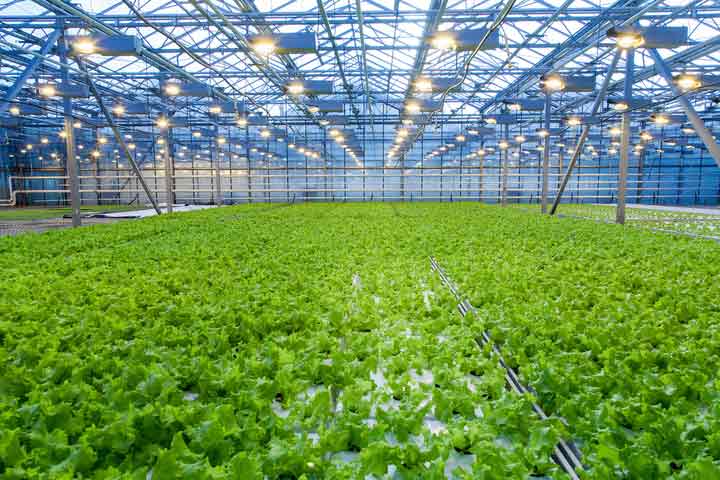
Daily Operations
Example: Muhammadi Farms, Chakwal
- Monitors temperature (22-28°C) and humidity (50-60%) with digital sensors (PKR 2,000 each) to optimize capsicum growth.
- Checks irrigation daily to ensure even water delivery for premium fruit quality.
Pest and Disease Control
Example: Green Earth Farms near Lahore
- Uses ladybugs for whiteflies, ensuring export-ready bell peppers.
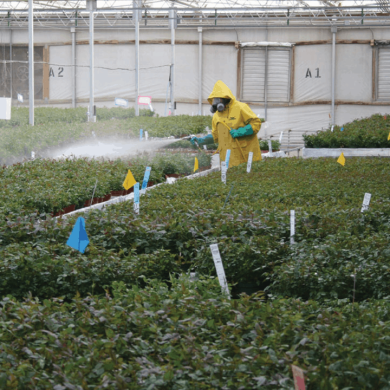
- Muhammadi Farms employs neem sprays and sticky traps to manage aphids, preserving capsicum’s market appeal.
Labor Management
Example: Sindh Horticulture Project
- Trains 10-15 workers (PKR 600-700/day) for efficient harvesting, boosting output by 20%.
- Muhammadi Farms hires local labor for precise capsicum sorting, meeting high market standards.
Nutrient Management
Example: Balochistan Agri-Tech Initiative
- Applies NPK fertilizers (PKR 5,000 per 25kg) for roses.
- Muhammadi Farms uses tailored fertigation to enhance capsicum color and shelf life.
Market Trends and Commercial Examples
Pakistan’s greenhouse market is thriving, with operations like Muhammadi Farms tapping into high-value opportunities.
Domestic Demand
Example: Muhammadi Farms, Chakwal
- Supplies colored capsicum at PKR 700-800 per kg to upscale markets in Lahore, Islamabad and karachi, driven by demand for vibrant, fresh produce.
- Caters to supermarkets and restaurants seeking premium quality.
Export Potential
Example: Sindh Horticulture Project
- Exports melons to UAE, earning USD 80,000-100,000 annually.
- Muhammadi Farms explores Middle Eastern markets, leveraging capsicum’s export appeal.
Niche Markets
Example: Balochistan Agri-Tech Initiative
- Grows roses for Karachi’s floral trade (PKR 60-80 per dozen).
- Muhammadi Farms capitalizes on colored capsicum’s niche for hotels and catering.
Market Challenges
High setup costs (e.g., Muhammadi’s PKR 4-5 million) and energy expenses (PKR 20-25/unit) persist, but solar adoption (Balochistan example) helps offset costs.
Challenges and Solutions with Real Examples
- Challenge: Water scarcity
Solution: Muhammadi Farms uses drip irrigation and rainwater tanks (PKR 70,000) to sustain capsicum production. - Challenge: Technical skills gap
Solution: Green Earth Farms trains staff via Punjab Agriculture Department, a practice Muhammadi Farms follows locally. - Challenge: Power outages
Solution: Balochistan Agri-Tech’s solar panels inspire Muhammadi Farms to consider renewables.
Conclusion: Pakistan’s Greenhouse Pioneers
From Muhammadi Farms’ premium capsicum in Chakwal to Sindh’s export-driven melons, Pakistan’s commercial greenhouses are redefining agriculture. Operations like Al-Noor, Green Earth, and Balochistan Agri-Tech show the power of technology, management, and market focus. For growers inspired by Muhammadi Farms’ PKR 700-800/kg capsicum success, the message is clear: invest smartly, manage efficiently, and seize Pakistan’s growing market potential.



Add comment