
Best Vegetables for Hydroponic Farming in Pakistan & Their Growing Conditions
Hydroponic agriculture is becoming popular in Pakistan, providing a water-saving, high-productivity means of producing fresh vegetables soillessly. As water shortages and urban markets increase, this soilless technique is ideal for Pakistani growers and household gardeners. But what vegetables perform well under hydroponics in Pakistan, and under what conditions? This article identifies the optimal vegetables for hydroponic farming in Pakistan and conditions for successful growing.
Why Hydroponics Works for Pakistan
Pakistan’s agriculture is also challenged by drought, decreasing arable land, and seasonal restrictions. Hydroponics consumes 90% less water than conventional farming, produces crops more quickly, and flourishes in controlled environments—perfect for areas such as Punjab, Sindh, and cities such as Karachi. With the selection of the correct vegetables and conditions, you can achieve maximum yield and supply local demand throughout the year.
Top Vegetables for Hydroponic Farming in Pakistan
Below are the top vegetables for hydroponics in Pakistan and their respective growing requirements:
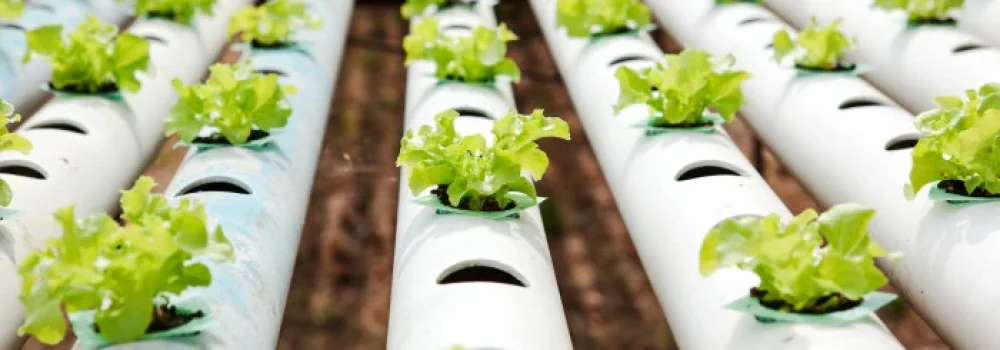
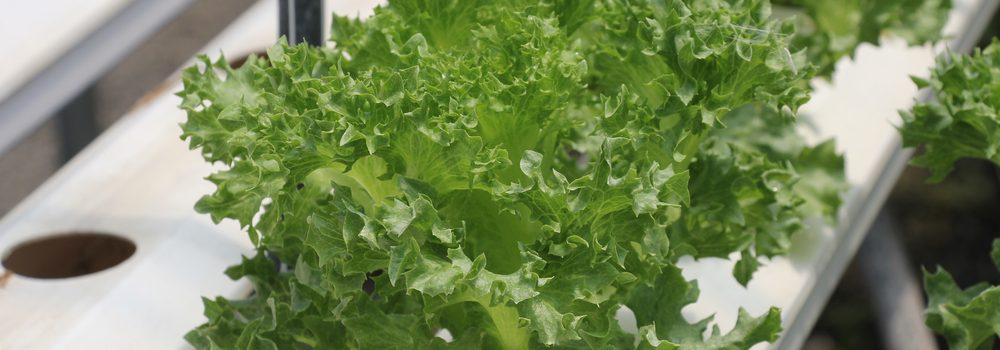
Lettuce
Why It’s Great: Fast-growing, high demand in urban markets, and perfect for salads.
Growing Conditions:
- Temperature: 18-24°C (65-75°F)—suits Pakistan’s cooler seasons or indoor setups.
- pH: 5.8-6.2.
- EC (Nutrient Strength): 1.2-1.8 mS/cm.
- Light: 12-16 hours daily (natural or LED grow lights).
- Harvest Time: 30-45 days.
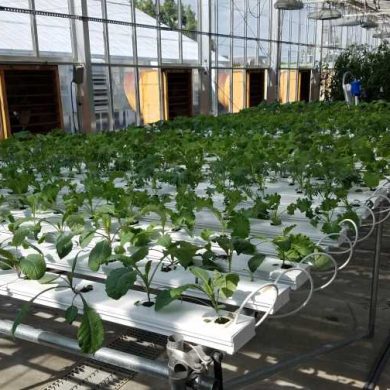
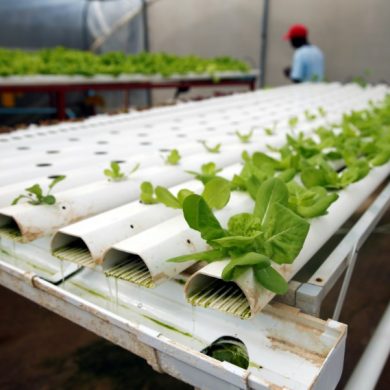
Tip: Use Nutrient Film Technique (NFT) for continuous flow and compact growth.
Spinach (Palak)
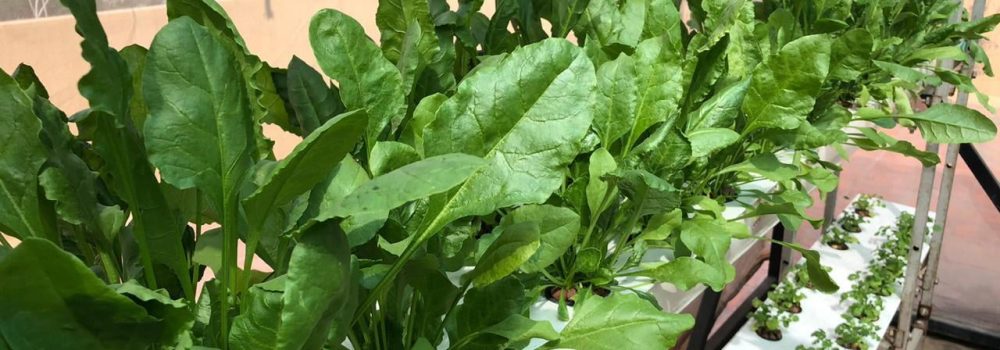
Why It’s Great: Nutrient-rich, popular in Pakistani cuisine, and thrives in hydroponics.
Growing Conditions:
- Temperature: 15-22°C (59-72°F)—ideal for winter or shaded systems.
- pH: 6.0-7.0.
- EC: 1.8-2.3 mS/cm.
- Light: 10-14 hours daily.
- Harvest Time: 35-50 days.
Tip: Deep Water Culture (DWC) keeps roots oxygenated for lush leaves.
Tomatoes
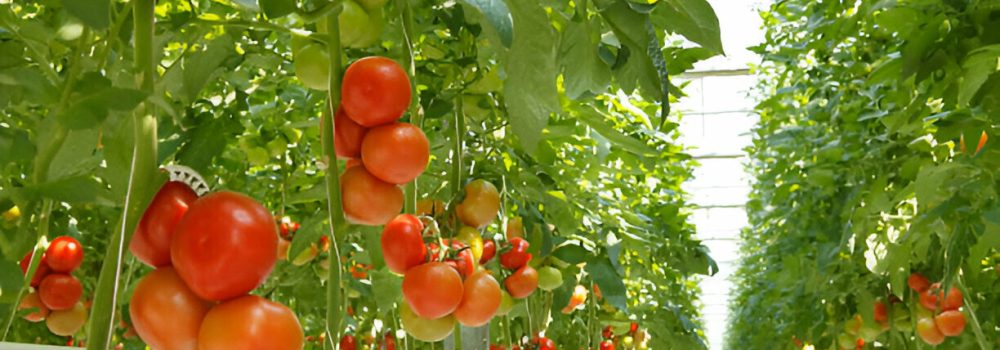
Why It’s Great: High value, widely consumed, and productive in hydroponics.
Growing Conditions:
- Temperature: 22-28°C (72-82°F)—fits Pakistan’s warmer climates with cooling if needed.
- pH: 5.5-6.5.
- EC: 2.0-3.0 mS/cm.
- Light: 14-16 hours daily.
- Harvest Time: 60-80 days (multiple harvests with pruning).
Tip: Use a drip system with trellising to support vines.
Cucumbers
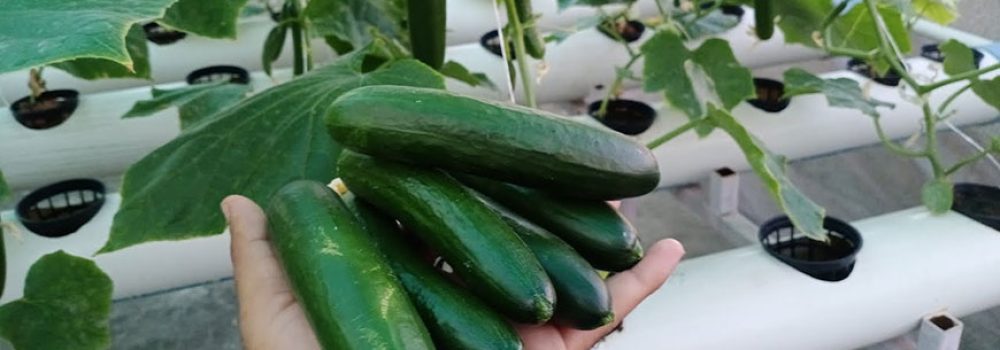
Why It’s Great: Quick to grow, popular in salads, and suited to vertical systems.
Growing Conditions:
- Temperature: 24-30°C (75-86°F)—thrives in Pakistan’s summer or indoors.
- pH: 5.5-6.0.
- EC: 1.8-2.4 mS/cm.
- Light: 12-16 hours daily.
- Harvest Time: 50-70 days.
Tip: Vertical towers save space and boost yields.
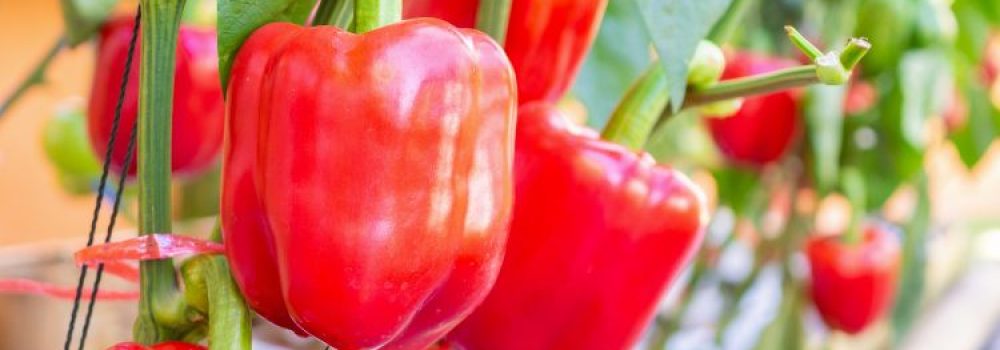
Bell Peppers (Shimla Mirch)
Why It’s Great: Colorful, profitable, and adaptable to hydroponics.
Growing Conditions:
- Temperature: 21-27°C (70-80°F)—manageable with shade in hot months.
- pH: 5.5-6.0.
- EC: 2.0-2.5 mS/cm.
- Light: 14-16 hours daily.
- Harvest Time: 70-90 days.
Tip: Drip systems work well for steady nutrient delivery.
Kale
Why It’s Great: Rising popularity among health-conscious Pakistanis, hardy, and nutrient-packed.
Growing Conditions:
- Temperature: 18-24°C (65-75°F)—prefers cooler conditions or controlled environments.
- pH: 6.0-7.0.
- EC: 1.5-2.0 mS/cm.
- Light: 12-14 hours daily.
- Harvest Time: 40-60 days (continuous harvest by cutting outer leaves).
Tip: NFT or raft systems suit its shallow roots and fast growth.
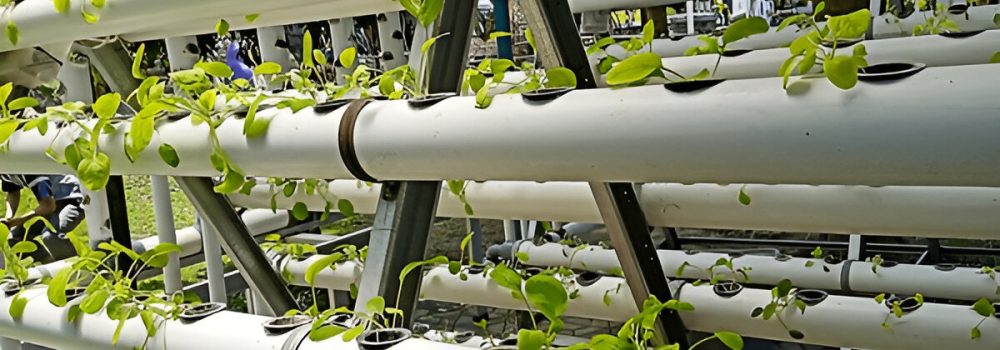
Mint (Pudina)
Why It’s Great: Essential in Pakistani cuisine, teas, and garnishes; grows rapidly.
Growing Conditions:
- Temperature: 20-25°C (68-77°F)—adaptable to most indoor setups.
- pH: 6.0-7.0.
- EC: 1.0-1.6 mS/cm.
- Light: 12-16 hours daily.
- Harvest Time: 20-30 days (cut-and-come-again).
Tip: Use a simple Kratky method or NFT for low-maintenance growth.
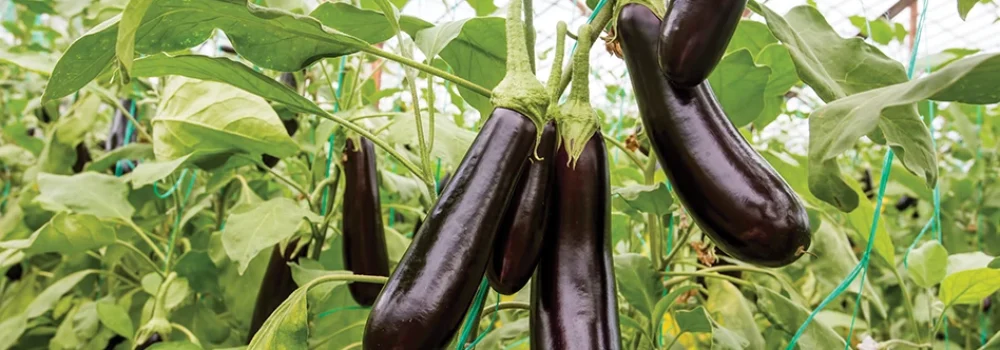
Eggplant (Baingan)
Why It’s Great: High demand in local cuisine, productive, and suited to hydroponics.
Growing Conditions:
- Temperature: 24-30°C (75-86°F)—ideal for warm regions like Sindh.
- pH: 5.5-6.0.
- EC: 2.5-3.5 mS/cm.
- Light: 14-16 hours daily.
- Harvest Time: 70-90 days.
Tip: Drip or Dutch bucket systems handle its larger root system well.
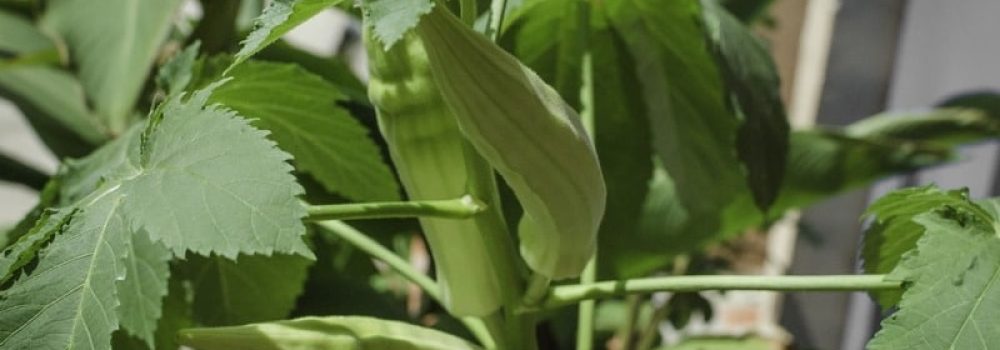
Okra (Bhindi)
Why It’s Great: Staple in Pakistani dishes, thrives in warm climates, and fetches good prices.
Growing Conditions:
- Temperature: 25-35°C (77-95°F)—perfect for Pakistan’s hot seasons.
- pH: 6.0-6.5.
- EC: 2.0-2.8 mS/cm.
- Light: 14-16 hours daily.
- Harvest Time: 50-65 days (continuous picking).
Tip: Use a drip system with support stakes for upright growth.
General Growing Instructions for Pakistan
- Water Quality: Use filtered water to prevent clogging systems, particularly in hard-water regions such as Punjab.
- Humidity: Maintain 50-70% to promote root health—tweak with fans or misting in arid areas.
- Power Backup: Pumps require electricity, so solar options can assist in rural regions such as Sindh.
- Seasonal Adjustments: Indoor systems with grow lights overcome Pakistan’s hot summers or freezing winters.
Advantages of Growing These Vegetables Hydroponically
- Water Conservation: Essential for Pakistan, where agriculture uses 90% of water resources.
- Quicker Harvests: 20-30% faster growth satisfies market demand earlier.
- Increased Yields: Greater plants per square foot than earth farming.
- Nutrient Boost: Accurate feeding can improve flavor and nutrition—essential for health-conscious consumers.

Why These Vegetables Are Ideal for Pakistan
Lettuce, spinach, kale, and mint are suited to urban diets and cooler environments, whereas tomatoes, cucumbers, bell peppers, okra, and eggplant do well in hot weather and command high prices in cities such as Lahore and Islamabad. Radishes provide an instant success for new growers. These vegetables are a staple in Pakistani homes, providing consistent demand. Hydroponics allows farmers to produce them throughout the year, avoiding seasonal constraints.
Get Started with Hydroponics in Pakistan
Choose a vegetable that suits your climate and market—begin with lettuce or mint for ease, radish for quickness, or tomatoes and eggplant for profitability. Try a small DWC or NFT system, then expand as you become proficient in the conditions. Got questions or success stories? Share below—we’re here to assist you in growing!



Add comment